
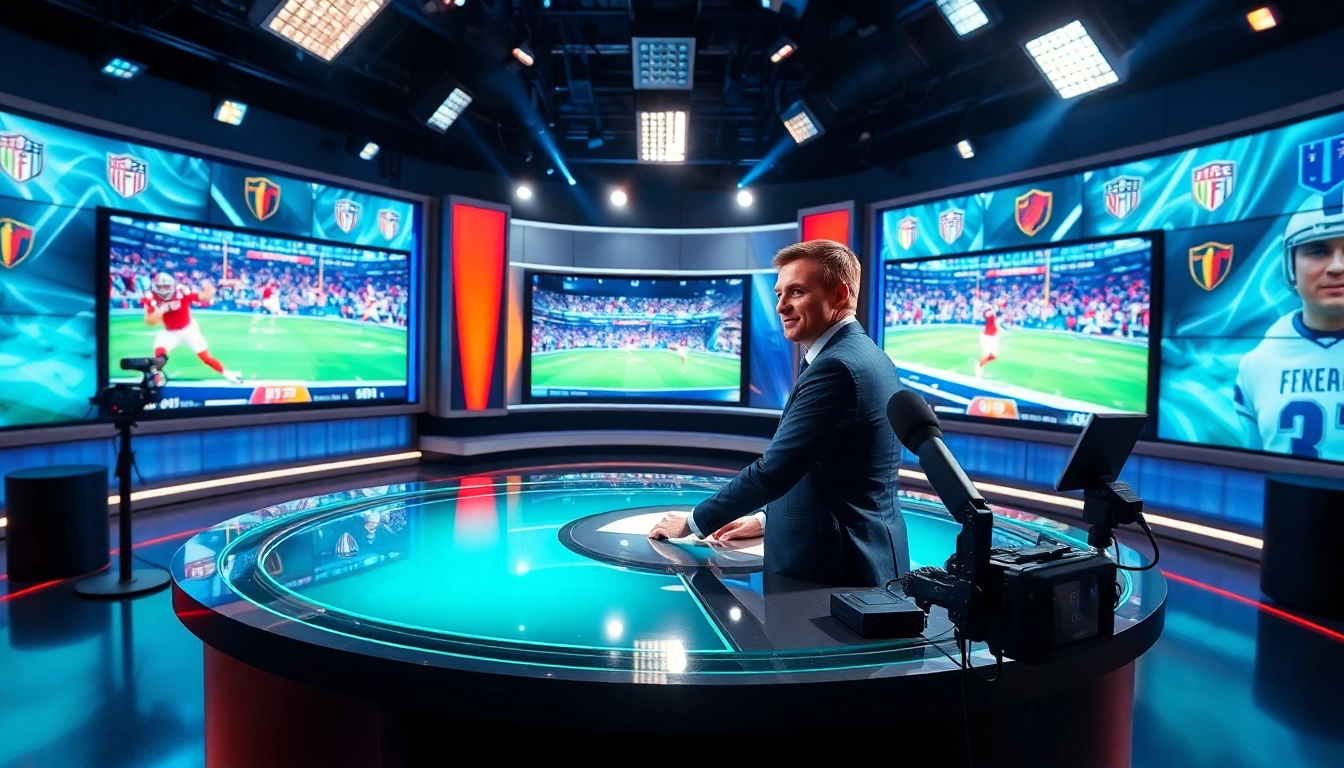
Understanding Sports Broadcasting
What is Sports Broadcasting?
Sports Broadcasting refers to the dissemination of sporting events and related content through various media platforms, including television, radio, and online streaming services. This sector plays a pivotal role in not only engaging viewers with real-time content but also in building a cultural connection among fans. With the rise of digital media, Sports Broadcasting has transformed from traditional formats to innovative, interactive experiences that cater to a diverse audience.
Historical Evolution of Sports Broadcasting
The journey of Sports Broadcasting began in the early 20th century with radio broadcasts, where sports events started to be serialized for listeners. The landmark moment arrived in 1939 when television broadcasts featured sports, revolutionizing how audiences consumed the content. Throughout the decades, technological advancements propelled the industry, leading to color broadcasting and live telecasts that brought sports directly into living rooms. The introduction of cable television expanded the sport's reach even further, culminating in the current landscape where online streaming dominates and allows for on-demand access to sports programming.
Key Players in the Industry
The arena of Sports Broadcasting is populated by several key players, ranging from networks to streaming platforms. Major television networks have historically dominated the field, leveraging their established infrastructures and broad viewership. However, with the rise of OTT (Over-the-Top) platforms, new players are carving their niche by catering to younger audiences who favor on-demand content. Additionally, sports leagues themselves have begun to enter broadcasting, creating proprietary channels and services that allow them to connect with fans more directly. The competitive landscape shapes a dynamic environment, continually evolving as consumer preferences shift.
Technological Advancements in Sports Broadcasting
Impact of Streaming Technology
Streaming technology has revolutionized Sports Broadcasting by offering flexibility that traditional broadcasting cannot compete with. Fans can now watch events live or on-demand across various devices, allowing for unprecedented levels of engagement. Streaming services have also made it easier for viewers to consume niche sports and less mainstream events. Consequently, this shift reflects a broader trend of personalization, where content is tailored to individual preferences and viewing habits.
Role of Social Media in Sports Broadcasting
Social media has become both a platform for live update distribution and a tool for fan engagement. During events, platforms like Twitter and Instagram serve as real-time feeds where highlights and critical moments are shared, generating broader discussions and interactions among fans. Additionally, social media has enabled broadcasters to create communities around sports, providing supplemental content that enriches viewer experience. For athletes, these platforms also offer a direct line to their fanbase, enhancing personal brands while fostering instantaneous communication.
Emerging Technologies: AR and VR
Augmented Reality (AR) and Virtual Reality (VR) are reshaping Sports Broadcasting by introducing immersive viewing experiences. With these technologies, fans can enjoy a first-person perspective of games, access in-depth statistics in real-time, or interact with the content in ways previously unimaginable. For instance, VR simulations allow enthusiasts to feel like they are part of the action, from the comfort of their own home. By enhancing viewer engagement through innovative tech, the potential for AR and VR in the sector continues to grow.
Content Creation and Strategy
Building an Engaging Narrative
To captivate audiences, broadcasters must focus on storytelling within their coverage of sports. This goes beyond merely recapping events; it involves creating an engaging narrative that connects viewers emotionally. Strategic content creation might include highlighting athlete backstories, exploring rivalries, or emphasizing historical significance. A compelling narrative not only enriches the viewing experience but also fosters deeper connections between fans and the sport.
Leveraging Data Analytics in Content
Data analytics plays a critical role in informing content strategies. From understanding viewer engagement metrics to analyzing game statistics, broadcasters can tailor their content to better suit audience preferences. For example, post-game analyses utilizing big data can reveal trends and patterns, allowing broadcasters to present insightful commentary that enhances viewer understanding and enjoyment. Furthermore, predictive analytics can drive the creation of content that anticipates audience interests, garnering higher engagement rates.
Best Practices for Captivating Audiences
Implementing best practices in content creation is essential for capturing and retaining audiences. Broadcasters should strive to maintain consistent quality while diversifying their content formats—mixing traditional broadcasts with digital enhancements like interactive graphics or behind-the-scenes footage. Establishing a presence across multiple platforms also ensures wider reach. Engaging directly with viewers through social media can provide immediate feedback and foster a sense of community, further solidifying viewer loyalty.
Challenges in Sports Broadcasting
Regulatory and Ethical Issues
The sports broadcasting industry grapples with various regulatory and ethical challenges. Issues around copyright, licensing rights, and content censorship can complicate operations. Broadcasters must navigate complex legal landscapes to ensure compliance while providing comprehensive coverage. Ethical considerations, such as respecting privacy and maintaining journalistic integrity, are equally vital. Balancing these factors is crucial for credibility and sustainability in the industry.
Managing Viewer Expectations
As audiences become increasingly discerning about content quality and accessibility, managing viewer expectations poses a challenge. The shift toward real-time updates and interactive content has led to higher demands for engaging and informative broadcasts. Broadcasters must continuously adapt their strategies to meet these evolving expectations, ensuring that they not only deliver high-caliber programming but also foster a rewarding viewer experience that satisfies their audience’s needs.
Competition in the Broadcasting Landscape
The sports broadcasting landscape is marked by intense competition, driven by the rise of digital platforms that provide alternative viewing options. Broadcasters face the dual challenge of differentiating their offerings while maintaining cost-effectiveness. As new entrants and technologies reshape the marketplace, existing players must stay agile and innovative, retaining their audience through quality content and engagement strategies that resonate within this highly competitive environment.
Future Trends in Sports Broadcasting
Augmented Engagement Experiences
Looking ahead, augmented experiences that integrate technology with live events are poised to redefine Sports Broadcasting. Strategies that enhance viewer interaction—like multi-angle camera views or real-time Q&As with commentators—will engage audiences more deeply. Furthermore, integrating gamified elements can turn passive viewers into active participants, creating memorable experiences that extend beyond traditional programming.
Sustainability in Broadcasting Practices
The push for sustainability is increasingly influencing Sports Broadcasting practices. From reducing carbon footprints in production to promoting eco-friendly messages through programming, broadcasters are adopting sustainable practices in response to audience values. Future initiatives may include implementing green technologies, ensuring packaging sustainability, and exploring content that raises awareness about environmental issues connected to sports.
Personalization and Viewer Interaction
The future of Sports Broadcasting will likely emphasize personalization and direct viewer interaction more than ever. Broadcasters will apply AI and machine learning to curate content based on viewing habits, providing tailored experiences that can enhance audience satisfaction. Push notifications for favorite teams or tailored highlights further personalize the viewing experience, fostering loyalty and ongoing engagement among fans. This shift toward interactive, customer-centric programming will redefine the standard for audience engagement.
FAQs
What is Sports Broadcasting?
Sports Broadcasting refers to transmitting sports events and their content through television, radio, or online platforms to engage audiences.
How has streaming impacted sports broadcasting?
Streaming has revolutionized sports broadcasting by enabling on-demand access, flexibility in viewing, and enhanced engagement with niche sports content.
What challenges does the sports broadcasting industry face?
Challenges include regulatory issues, managing viewer expectations, and navigating intense competition from digital platforms.
How can broadcasters enhance viewer engagement?
Broadcasters can enhance engagement through compelling storytelling, diverse content formats, and active interaction via social media.
What role does technology play in sports broadcasting's future?
Emerging technologies like AR and VR, along with AI-driven data analytics, will shape personalized and immersive viewing experiences in sports broadcasting.